Organic tomato pest control in Kenya: Yield guide
Discover the ultimate guide to organic tomato pest control in Kenya. Learn how to manage Tuta absoluta, whiteflies, and mites naturally while saving costs.
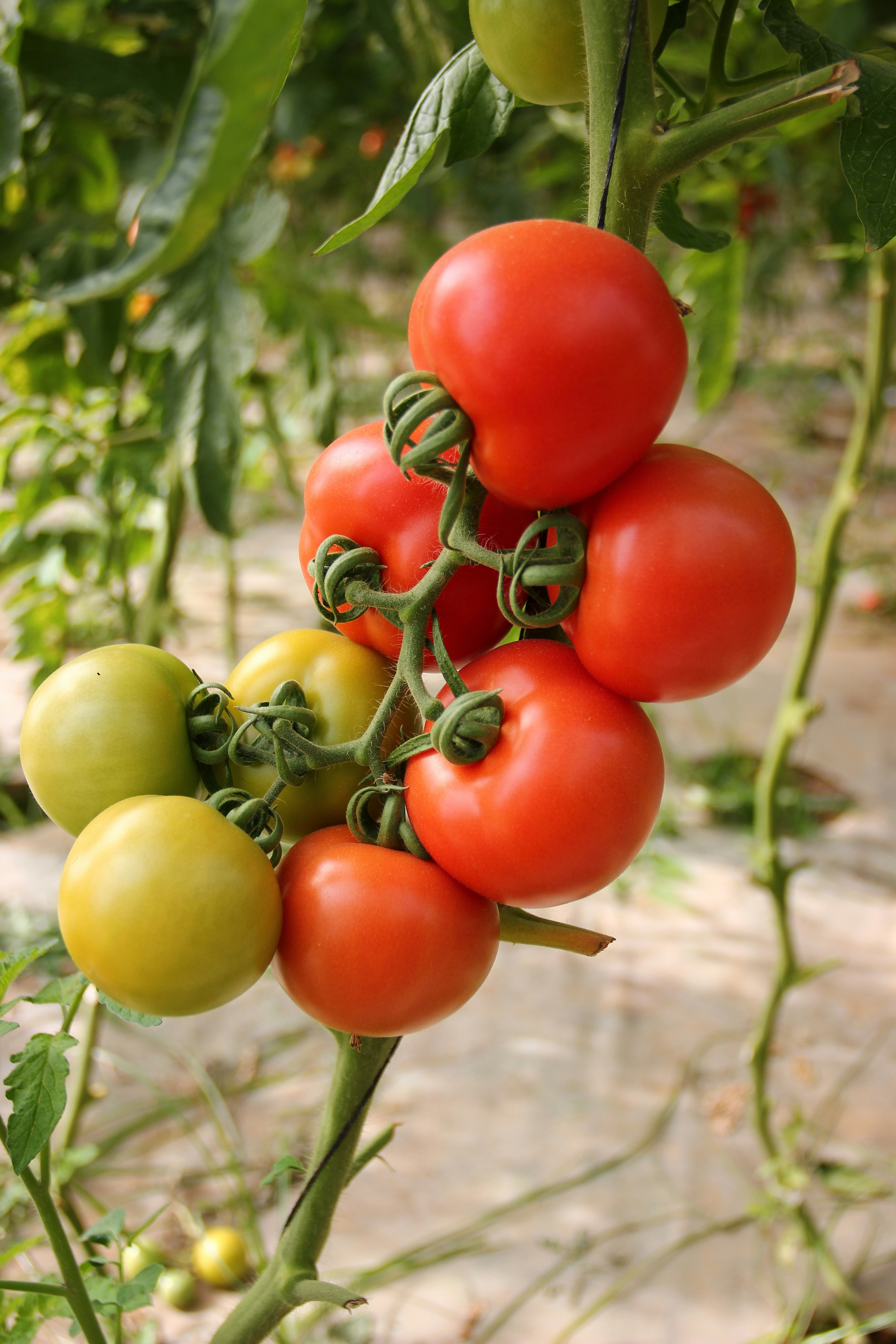
Organic tomato pest control in Kenya
Key takeaways - Implementing organic tomato pest control in Kenya can save smallholders up to KES 45,000 per acre in synthetic pesticide costs. - Integrated pest management (IPM) using neem extracts and bio-pesticides reduces chemical residue and secures premium organic markets. - Maintaining soil pH between 6.0 and 6.8 with proper calcium nutrition prevents physiological weaknesses that attract pests like Tuta absoluta.
Tomato farming is one of the most profitable ventures for smallholders in East Africa, yet destructive pests often wipe out entire harvests. Implementing effective organic tomato pest control in Kenya is essential for safeguarding your yields, lowering input costs, and meeting the growing consumer demand for chemical-free produce. By shifting from toxic synthetic chemicals to sustainable, biological alternatives, you can protect both your soil health and your household income.
This comprehensive guide provides actionable, science-backed strategies to manage devastating pests like Tuta absoluta, whiteflies, and red spider mites using organic solutions. Whether you are farming in open fields or greenhouses, these methods will help you build a resilient, profitable agricultural enterprise. Let us explore the practical steps to transform your farm into a thriving, self-sustaining ecosystem.
Why organic tomato pest control in Kenya is Essential
Synthetic chemical resistance is rising rapidly among common pests in major tomato-producing zones like Kirinyaga, Nyeri, and Kajiado. Over-spraying has eliminated natural predators, leaving crops highly vulnerable to sudden infestations. Transitioning to organic tomato pest control in Kenya restores the natural ecological balance on your farm and prevents pest resurgence.
Furthermore, major export markets and premium local supermarkets enforce strict limits on chemical residues. By adopting organic practices, you ensure your produce complies with the safety standards monitored by the Kenya Plant Health Inspectorate Service (KEPHIS). This compliance opens up lucrative marketing channels that offer premium prices for your harvest.
To succeed, farmers must look beyond quick-fix chemical sprays and understand the biological vulnerabilities of each pest. Healthy soils with optimal nutrient balances naturally produce stronger plants that resist insect damage. You can read our comprehensive Tomato farming guide to understand the foundational agronomic requirements for a resilient crop.
Key Pests and Organic Tomato Pest Control in Kenya
To manage pests organically, you must first identify the specific threats affecting your crop. Different insects require targeted organic interventions rather than a one-size-fits-all approach. Let us examine the three most destructive tomato pests in Kenya and how to control them naturally.
1. Tuta absoluta (Tomato leafminer)
Tuta absoluta is a highly destructive pest that bores into leaves and fruits, causing up to 100% crop loss if left unchecked. The larvae feed on the mesophyll tissue, leaving characteristic silver mines on the foliage. Managing this moth is a top priority for anyone practicing organic tomato pest control in Kenya.
To control this pest, install pheromone traps early in the cropping cycle to monitor and mass-trap male moths. Spraying organic formulations of Bacillus thuringiensis (Bt) or neem seed oil extracts targets the larval stage effectively. Research from the Kenya Agricultural and Livestock Research Organisation (KALRO) confirms that early biological intervention prevents devastating outbreaks.
2. Whiteflies (Bemisia tabaci)
Whiteflies suck sap from the undersides of leaves, causing yellowing, stunted growth, and the transmission of viral diseases. They also excrete honeydew, which leads to the growth of sooty mold on the leaves and fruits.
Yellow sticky traps placed just above the crop canopy are highly effective at capturing adult whiteflies. Spraying a mixture of garlic, chili, and organic soap solution acts as an excellent repellent and physical barrier. Additionally, introducing natural predators like parasitic wasps (Encarsia formosa) can keep populations below economic damage thresholds.
3. Red spider mites (Tetranychus urticae)
Red spider mites thrive in hot, dry conditions, spinning fine webs on the undersides of leaves and causing speckling and leaf drop. Integrating cultural practices with biological sprays is a cornerstone of organic tomato pest control in Kenya.
Applying sulfur-based organic sprays or insecticidal soaps controls mite populations without leaving harmful residues. Ensure you maintain adequate soil moisture, as water-stressed plants are far more susceptible to severe mite infestations. Overhead irrigation or light misting disrupts their dusty, dry microclimate, making it difficult for them to multiply.
| Control method | Target pests | Mode of action | Environmental impact | Cost per acre (KES) |
|---|---|---|---|---|
| Neem Seed Extract | Whiteflies, Aphids, Thrips | Systemic repellent & growth disruptor | Negligible; safe for bees | 4,500 - 6,000 |
| Bacillus thuringiensis (Bt) | Tuta absoluta, Caterpillars | Stomach poison for larvae | Highly specific; non-toxic | 5,500 - 7,500 |
| Yellow Sticky Traps | Whiteflies, Leafminers | Physical capture / monitoring | Zero impact; non-toxic | 2,500 - 3,500 |
| Synthetic Pyrethroids | Broad spectrum | Contact nerve poison | High; kills beneficial insects | 12,000 - 18,000 |
_All this values are estimates verify with local agrovets._
Step-by-step organic pest management protocol
To achieve maximum efficiency, follow this structured, season-long organic protocol on your farm. This protocol is the backbone of successful organic tomato pest control in Kenya.
- Soil testing and preparation: Start by analyzing your soil. For instance, reviewing the Kirinyaga County soil health report shows that many local soils require calcium-rich amendments to prevent blossom end rot, which weakens plant tissues and invites pests. You should get a personalised fertilizer plan to ensure your soil has the perfect balance of organic matter, calcium, and potassium.
- Nursery hygiene: Raise your seedlings in a protected, insect-proof net nursery to prevent early virus transmission. Treat the nursery soil with beneficial fungi like Trichoderma to prevent soil-borne pathogens from weakening young plants.
- Companion planting: Intercrop your tomatoes with repellent plants such as marigolds, basil, or onions. Marigolds exude root chemicals that repel root-knot nematodes, while basil confuses flying pests like whiteflies.
- Early monitoring: Install sticky traps and pheromone traps immediately after transplanting to catch the first wave of invaders. Check these traps twice a week to detect pest arrivals before they reach epidemic levels.
- Weekly organic sprays: Apply preventative sprays of neem oil or garlic-chili extracts every 7 to 10 days. Increase the frequency to twice a week during hot, dry periods when pest pressure peaks.
1-Acre production budget for organic tomato pest control in Kenya
Adopting organic tomato pest control in Kenya requires a well-planned financial budget. While organic inputs may require slightly more labor for preparation and application, they drastically reduce the overall cash outlay compared to expensive synthetic chemicals.
The table below outlines a realistic, localized production budget for cultivating one acre of organic tomatoes in Kenya. These figures are based on current market rates for inputs, organic certifications, and labor.
| Activity / Input category | Description | Unit Cost (KES) | Quantity Required | Total Cost (KES) |
|---|---|---|---|---|
| Certified Organic Seeds | High-yielding, disease-resistant variety (e.g., Zara F1) | 12,500 per 100g | 2 Units (200g) | 25,000 |
| Soil Amendments | Well-decomposed manure & agricultural lime | 15,000 per truck | 2 Trucks | 30,000 |
| Organic Fertilizers | Compost boosters and liquid seaweed foliar | 3,500 per bag/L | 6 Units | 21,000 |
| Pest Control Inputs | Neem oil, Bt formulations, and sticky traps | 8,000 package | 1 Season Pack | 8,000 |
| Land Preparation | Ploughing, harrowing, and bed preparation | 10,000 per acre | 1 Acre | 10,000 |
| Labor | Planting, weeding, staking, and spraying | 400 per day | 50 Man-days | 20,000 |
| Drip Irrigation Setup | Basic gravity-fed drip system (one-time investment) | 45,000 system | 1 Acre | 45,000 |
| Total Production cost | Direct cash expenses for the first season | - | - | 159,000 |
| Expected yield revenue | 15,000 kg sold at KES 45 per kg (wholesale) | - | - | 675,000 |
| Net Profit margin | Revenue minus total production costs | - | - | 516,000 |
Note: The drip irrigation setup is a long-term asset that can be used for up to five seasons, making subsequent crop cycles even more profitable.
Frequently Asked Questions
Does organic tomato pest control in Kenya work as fast as chemical sprays?+
Can I use homemade neem oil sprays for commercial organic tomato farming?+
Where can I find certified organic pesticides and bio-fertilizers in Kenya?+
Get your free ShambaIQ farm plan
Get a free soil-matched fertilizer plan, a dated season calendar, and reminders — for your exact farm.
Free forever · 47 counties · English & Kiswahili
Continue reading
Intercropping maize and beans in Kenya: Ultimate guide
A complete, practical guide on intercropping maize and beans in Kenya. Learn the best spacing, certified seed choices, and fertilizer application methods to double your harvest.
6 min read →GuideSeed selection in Kenya: A guide for higher yields
Discover how to choose the best certified seeds in Kenya. Compare varieties, estimate costs, and match seeds to your climate to maximize yields.
6 min read →GuideSoil erosion control in Kenya on hillside farms
Protect your hillside shamba from devastating topsoil loss. Discover practical, affordable physical and biological soil erosion control methods designed for Kenyan smallholders.
6 min read →Get personalized soil advice
Free precision fertilizer recommendations for your county and crop.
Get Free Advice →