Mushroom farming in Kenya: Profitable indoor growing guide
Discover how to start a highly profitable mushroom farming business. This guide covers substrate sterilization, climate control, and production budgets.
Mushroom farming in Kenya: Profitable indoor growing guide
Key Takeaways - High-value vertical production: Mushroom cultivation requires minimal land, making it ideal for urban and peri-urban farmers. - Substrate pasteurization is vital: Maintaining a clean, sterilized substrate with a pH of 6.5 to 7.5 prevents devastating mold infestations. - Consistent climate control: Success depends on strict regulation of humidity (80-90%) and temperature (18°C to 24°C) inside the growing room.
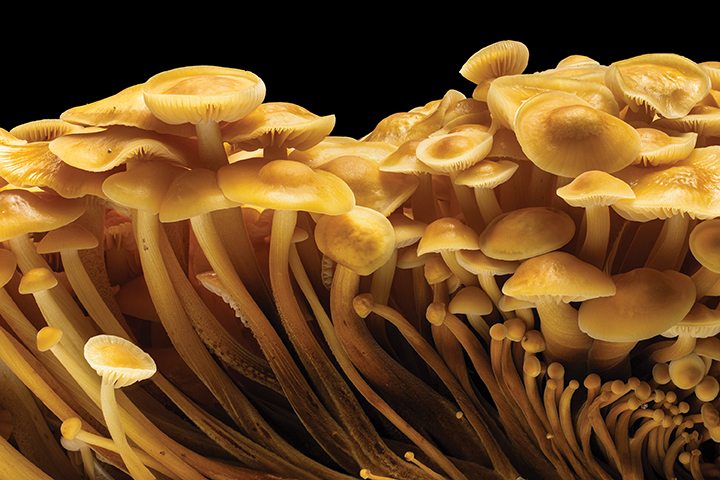
As traditional crop farming faces climate unpredictability, mushroom farming in Kenya has emerged as one of the most profitable, space-efficient agricultural ventures. This high-value indoor enterprise bypasses the need for large tracts of land, relying instead on vertical space and organic agricultural waste. By converting materials like wheat straw, bagasse, or sawdust into nutrient-rich gourmet food, you can generate consistent weekly income throughout the year.
To achieve commercial success, you can ask Shamba Mshauri, our AI agronomist for real-time, customized technical assistance.
Why mushroom farming in Kenya is a lucrative agribusiness
The demand for both oyster and button mushrooms in Kenyan urban centers, hotels, and supermarkets far outstrips local supply. This supply deficit makes mushroom farming in Kenya uniquely attractive to youth and urban dwellers who lack access to large ancestral landholdings. Unlike maize or potatoes, which require months to mature, mushrooms can be harvested within 28 to 40 days from spawning.
Agronomic data from agricultural extension officers in high-altitude zones indicates that indoor climate control is highly cost-effective. In regions highlighted in the Kiambu County soil health report and the Murang'a County soil health report, cooler ambient temperatures naturally align with the requirements of button mushrooms. For warmer lowland regions, heat-tolerant oyster varieties provide an excellent alternative, requiring less capital-intensive cooling infrastructure.
Selecting the right mushroom varieties and substrates
Choosing the correct variety determines your initial capital outlay and your substrate sterilization strategy. Button mushrooms (Agaricus bisporus) command higher market prices but require complex, double-fermented compost substrates. Oyster mushrooms (Pleurotus ostreatus) are highly resilient, grow on simple agricultural waste, and are recommended for beginners.
| Feature | Oyster mushrooms (Pleurotus ostreatus) | Button mushrooms (Agaricus bisporus) |
|---|---|---|
| Substrate type | Straw, sawdust, sugarcane bagasse, cotton hulls | Pasteurized composted manure, wheat straw, gypsum |
| Incubation temperature | 20°C – 28°C | 22°C – 25°C |
| Fruiting temperature | 15°C – 24°C | 14°C – 18°C |
| Relative humidity | 85% – 90% | 80% – 90% |
| Cropping cycle | 4 – 5 weeks | 8 – 10 weeks |
| Market demand | High (local markets, health shops) | Very high (hotels, supermarkets, exports) |
| Technical difficulty | Low to moderate | High |
Substrates must be supplemented with agricultural lime to stabilize the pH level between 6.5 and 7.5. This chemical range prevents the growth of competitive green mold (Trichoderma harzianum) while encouraging rapid mycelium colonization. Always ensure your inputs are sourced from certified suppliers registered with the Kenya Plant Health Inspectorate Service to avoid contaminated materials.
Step-by-step guide to successful mushroom farming in Kenya
Substrate preparation and sterilization
Begin by chopping dry wheat straw or grass into small pieces of 3 to 5 centimeters. Soak the material in water overnight to achieve a moisture content of approximately 60% to 70%. Test this by squeezing a handful of straw; it should feel damp and stick together without dripping more than two drops of water.
Add 2% agricultural lime to the wet straw to optimize the pH. Pack the substrate into heat-resistant polypropylene bags and pasteurize them. You can achieve pasteurization by steaming the bags over boiling water in a sealed drum at 100°C for at least 4 to 6 hours to eliminate harmful pathogens and wild mold spores.
Spawning and incubation
Once the pasteurized substrate cools down completely to below 25°C, inoculate it with high-quality mushroom spawn. Work in a thoroughly sanitized room, using methylated spirit to disinfect your hands, tools, and work surfaces. Mix the spawn into the substrate at a rate of 3% to 5% of the wet substrate weight, then tie the bags tightly.
Move the inoculated bags into a dark, warm incubation room maintained at 20°C to 24°C. During this phase, which lasts 15 to 21 days, the white mycelium will colonize the dark substrate. Do not introduce light or fresh air during incubation, as this stage is a critical milestone when mastering mushroom farming in Kenya.
Fruiting and harvesting
When the bags are completely white with mycelium, transfer them to the fruiting room. Use a sterilized blade to cut small, clean slits or 'X' shapes on the sides of the bags. Introduce indirect light, lower the temperature slightly to between 16°C and 20°C, and increase the relative humidity to 90% by spraying the walls and floor with clean water.
Mushrooms will begin to emerge from the slits as tiny pinheads. Harvest the mature mushrooms within 3 to 5 days of pinning by gently twisting them from the base of the substrate. Maintaining clean conditions ensures that your investment in mushroom farming in Kenya yields high-quality flushes.
Production budget and financial analysis
Establishing a commercial indoor growing unit requires careful planning, as mushroom farming in Kenya depends heavily on climate control. The budget below outlines the estimated costs and revenues for a standard 10m x 5m insulated mud-and-timber growing house. This structure accommodates approximately 600 substrate bags arranged on vertical wooden shelves.
| Cost item / Revenue source | Unit details | Cost per unit (KES) | Total cost / Revenue (KES) |
|---|---|---|---|
| Growing house construction | Timber, mud walls, polythene lining, shelves | Lump sum | 45,000 |
| Certified spawn (seeds) | 18 kg of high-quality spawn | 600 per kg | 10,800 |
| Substrate (wheat straw/bagasse) | 1,200 kg of dry agricultural waste | 15 per kg | 18,000 |
| Agricultural lime & supplements | 50 kg bag of lime + wheat bran | Lump sum | 3,500 |
| Sterilization fuel & firewood | 2 cartloads of firewood | 2,500 per load | 5,000 |
| Polypropylene bags & packaging | 600 growing bags + punnets | Lump sum | 6,000 |
| Water and sanitation chemicals | Chlorine, disinfectant, water bills | Lump sum | 4,000 |
| Labor (casual worker) | 2 months of part-time assistance | 6,000 per month | 12,000 |
| Total production cost | Initial setup and first-cycle inputs | N/A | 104,300 |
| Expected oyster mushroom yield | 600 bags yielding 1.5 kg each (900 kg) | N/A | N/A |
| Gross revenue | Sale of 900 kg of fresh mushrooms | 400 per kg | 360,000 |
| Net profit (First cycle) | Gross revenue minus total cost | N/A | 255,700 |
Subsequent production cycles will yield significantly higher profit margins because the initial construction and shelving costs of KES 45,000 are one-off capital expenses.
Frequently Asked Questions
Is mushroom farming in Kenya profitable for smallholder farmers?+
Where can I get certified mushroom spawn in Kenya?+
What are the common pests and diseases in indoor mushroom growing?+
Get your free ShambaIQ farm plan
Get a free soil-matched fertilizer plan, a dated season calendar, and reminders — for your exact farm.
Free forever · 47 counties · English & Kiswahili
Continue reading
Intercropping maize and beans in Kenya: Ultimate guide
A complete, practical guide on intercropping maize and beans in Kenya. Learn the best spacing, certified seed choices, and fertilizer application methods to double your harvest.
6 min read →GuideSeed selection in Kenya: A guide for higher yields
Discover how to choose the best certified seeds in Kenya. Compare varieties, estimate costs, and match seeds to your climate to maximize yields.
6 min read →GuideSoil erosion control in Kenya on hillside farms
Protect your hillside shamba from devastating topsoil loss. Discover practical, affordable physical and biological soil erosion control methods designed for Kenyan smallholders.
6 min read →Get personalized soil advice
Free precision fertilizer recommendations for your county and crop.
Get Free Advice →